
Review · GAUJA NATIONAL PARK SIGULDA AND TURAIDA
From Riga: Sigulda & Turaida Legends Group Tour
Leave Riga’s streets behind. This six-hour outing gives you a compact look at Latvia’s medieval castles, local legends, forested Gauja Valley, and Soviet-era sports history without the work of arranging several separate visits. I especially like the mix of Turaida Castle and Gutmanis Cave, plus the way guides such as Erlens, Maria, and Viktorija adjust the day when weather or group interests change.
The main drawback is time. Six hours is enough for the headline sights, but not for a slow, thorough visit to every corner of the museum reserve or a long hike in the valley. The tour also costs $144.18 per person, so it offers its best value if you appreciate door-to-door transport, guiding, and included museum admission.
In This Review
- Key points to know before booking
- Why Sigulda makes a good day outside Riga
- Starting from Herdera laukums at 9:00
- Castle of the Livonian Order in Sigulda
- Gutmanis Cave and the Rose of Turaida
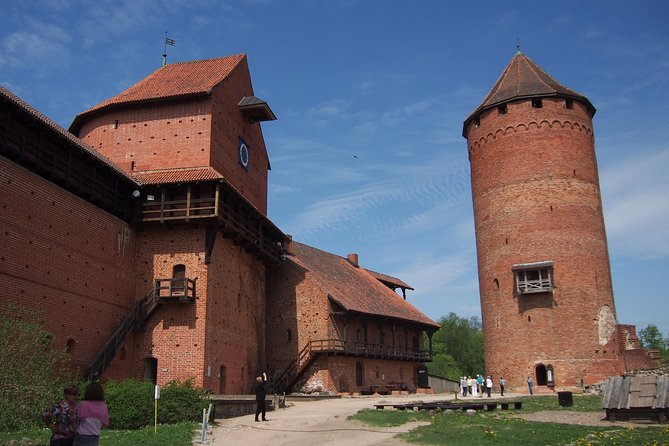
- Turaida Museum Reserve and its red-brick castle
- Sigulda’s bobsleigh and luge track
- What the guide adds to the day
- Is $144.18 good value?
- Weather, pacing, and who should book
- Should you book the Sigulda and Turaida tour?
- FAQ
- How long does the Sigulda and Turaida tour last?
- Where does the tour begin?
- What language is the tour offered in?
- What is included in the price?
- Is food included?
- How large is the group?
- What should I bring?
- Can I cancel for a full refund?
Key points to know before booking
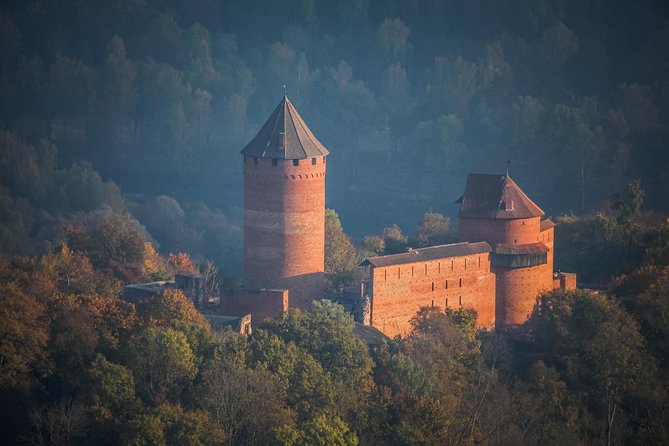
- Turaida Castle supplies the day’s strongest historical experience, with medieval towers, a wooden church, archaeological sites, and views from the castle tower.
- Gutmanis Cave joins nature and Latvian folklore, including the tragic tale of the Rose of Turaida and old inscriptions cut into the sandstone.
- The guides are a major part of the experience, with repeated praise for Erlens, Maria, Viktorija, Edĩte, and Claude for clear explanations and flexible planning.
- The bobsleigh track adds a modern Latvian note, giving the tour more variety than a simple castle excursion.
- A car or minivan keeps the schedule practical, with air conditioning, Wi-Fi, bottled water, and possible coffee stops or detours.
- Winter weather can make the castles magical, but rain, cold, fog, or snow may affect views and walking comfort.
Why Sigulda makes a good day outside Riga
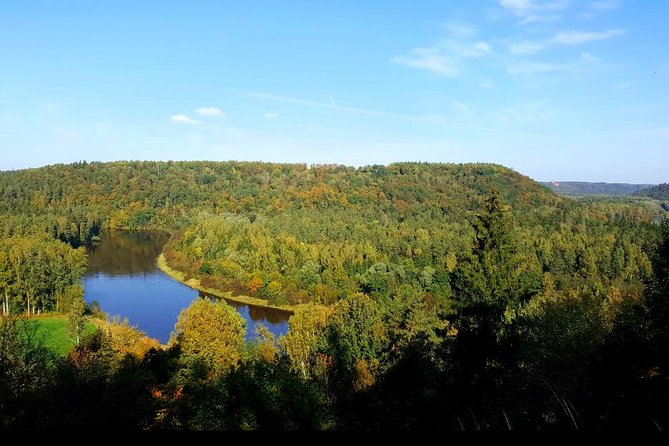
Sigulda is one of the easiest ways to see a different side of Latvia while staying close to the capital. The town sits beside the Gauja River Valley, where medieval fortifications, sandstone formations, churches, wooded paths, and newer sports facilities all share the same small area.
That mixture gives the outing a useful rhythm. You begin with military history at the Castle of the Livonian Order, move into folklore at Gutmanis Cave, spend more time at the Turaida Museum Reserve, then finish with the speed and concrete scale of the bobsleigh track. You are not looking at four versions of the same attraction.
I like this format for a first visit to Latvia outside Riga. You get a sense of how the country’s past was shaped by crusading orders and bishops, how local legends became part of national identity, and how Sigulda later developed into a center for winter sports.
The drive also lets you see Riga’s outer districts and the countryside beyond the capital. That matters because Latvia can feel very different once you leave the city center. The tour does not treat Sigulda as a rushed photo stop alone. Your English-speaking driver-guide provides context as you go, which helps connect the sites.
More of the Gauja valley and Sigulda:
- Private Full-Day Trip to Turaida, Sigulda, and Cesis
★ 4.5 · 52 reviews - Full-Day Private Trip to Cesis, Sigulda and Turaida from Riga
★ 4.5 · 42 reviews - Hike In Gauja National Park – Up And Down The Switzerland Of Latvia
★ 5.0 · 23 reviews
Starting from Herdera laukums at 9:00
The meeting point is Herdera laukums 6 in central Riga, with a 9:00 am start and a return to the same place. A morning departure leaves a useful block of time for the four main stops while still keeping the trip to about six hours.
Transport is by air-conditioned car or minivan, with Wi-Fi on board and bottled water included. The maximum group size is 19 people, although the experience is described as a private, bespoke tour. That wording means you should clarify the exact vehicle and group arrangement at booking if having a fully private car is important to you.
The smaller vehicle format is a practical advantage over a large coach. It makes short stops easier and gives the driver-guide a better chance to answer questions. Several guides have been praised for being attentive and adaptable, especially when weather changes the plan.
Coffee stops and detours can be arranged with the driver. This is useful, but do not assume every extra stop is automatic. Mention your preferences early, since the four scheduled sights already fill much of the half-day.
Wear proper walking shoes. The castle grounds, cave area, and museum reserve involve outdoor walking, uneven surfaces, and some climbing. Most people can participate, and children must be accompanied by an adult. Service animals are allowed.
Castle of the Livonian Order in Sigulda
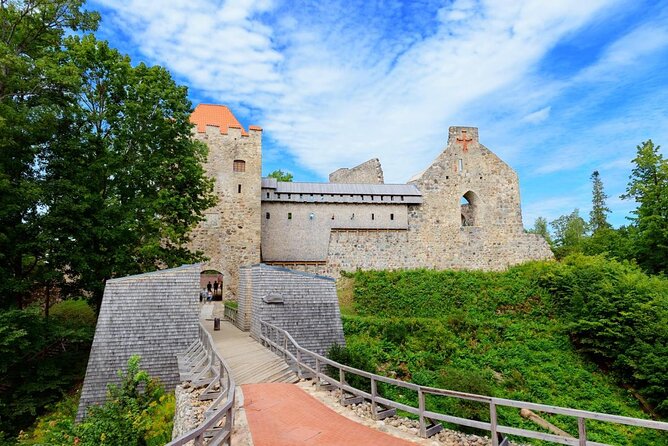
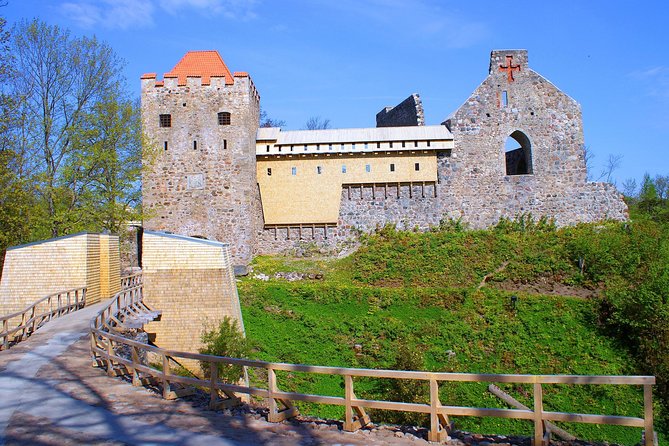
The first stop lasts about 50 minutes, and admission is included. The Castle of the Livonian Order was built in the 13th century by the Livonian Brothers of the Sword, placing you at the start of Latvia’s medieval Christian and military story.
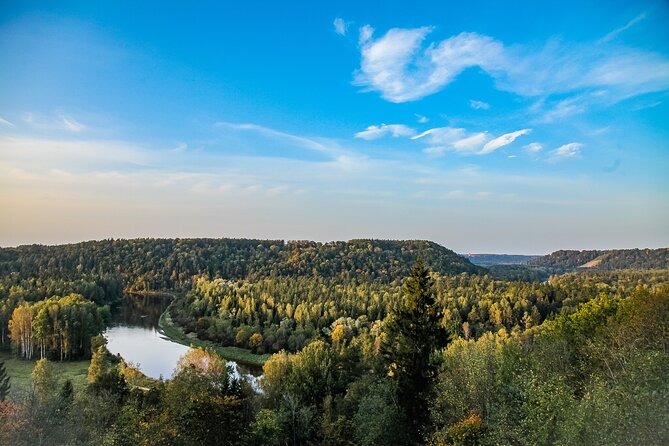
This is a good opening because the setting explains Sigulda’s importance. The fortress overlooks the Gauja Valley, and its position helped control movement through the region. Your guide can connect the remains to the battles, sieges, religious purpose, and political struggles of the crusader period in the Baltics.
You can walk through restored towers, climb sections of the fortress walls, and view exhibitions on medieval weapons, daily life, and archaeological discoveries. The ruins are not a fully furnished medieval castle, so set your expectations accordingly. The appeal is the combination of masonry, open sky, valley views, and the stories that give the surviving structures meaning.
The 50-minute visit is enough for a guided introduction and photographs. It is less suitable if you want to examine every exhibit at length. I would stay close to the guide at the beginning, then use any remaining time for the walls and views.
In snowy weather, the site can look especially striking. One guide, Maria, received particular praise for making the castle story and wider Latvian past easy to follow. That kind of explanation is valuable here because the ruins alone do not tell you which walls mattered most or how the fortress fitted into regional power struggles.
Gutmanis Cave and the Rose of Turaida
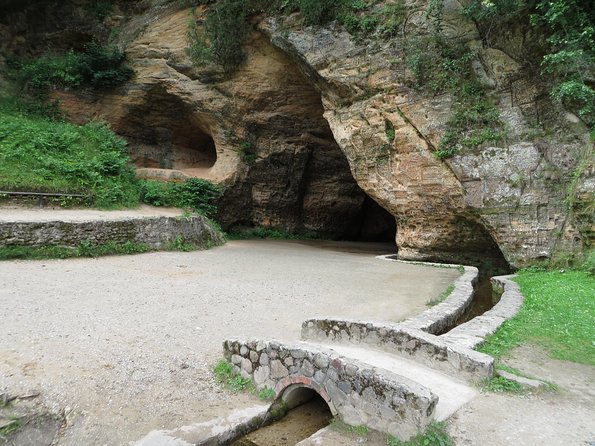
The next stop is Gutmanis Cave, with about 25 minutes on site and admission included. It is described as the oldest and largest cave in the Baltic region, formed in sandstone by water erosion.
Do not picture a vast underground cavern. The cave is modest in scale, but its importance comes from the setting and the stories attached to it. You can step inside, feel the cool air near the spring, and examine inscriptions on the walls, some dating to the 1600s.
The guide will tell you the tale of the Rose of Turaida, a tragic 17th-century love story linked to the cave. This is where the excursion shifts from formal medieval history to Latvian folklore. The legend gives the sandstone shelter a human and emotional dimension, even if the physical cave itself takes only a short time to see.
Twenty-five minutes is generally enough for the cave and an explanation. It is not enough for a long walk around the wider area, so consider this a focused stop rather than a nature hike. Wet weather can also make the ground less pleasant, which is another reason to bring shoes with a good grip.
I like this stop because it prevents the tour from becoming a procession of castles. Gutmanis Cave is small, atmospheric, and tied to a story that your guide can tell far better than a signboard. It also gives you a quick taste of the sandstone formations associated with the Gauja Valley.
A completely different kind of day out:
- Riga Old Town walking tour
★ 4.5 · 304 reviews - Latvian food tasting tour at Riga Central market
★ 4.5 · 241 reviews - 2 countries! Hill of Crosses, Rundale Palace and Bauska castle
★ 5.0 · 225 reviews - Discover Riga Bike Tour
★ 5.0 · 166 reviews
Turaida Museum Reserve and its red-brick castle
The Turaida Museum Reserve receives the longest scheduled visit, about one hour. It is the central historical stop and the place where you will want to spend your attention.
The red-brick Turaida Stone Castle was originally built in 1214. Set on a hill above the Gauja Valley, it combines defensive architecture with broad views. Your guide can lead you through the towers, courtyards, and archaeological areas while explaining the roles of knights, bishops, and local rulers.
The castle tower is especially important for the views. On a clear day, it helps you understand the position of the castle in relation to the river valley and surrounding countryside. Fog or heavy rain can hide much of that view, though the castle remains worthwhile for its buildings and interior spaces.
You will also see the wooden church from 1750. Its presence adds a later layer to the site, showing that Turaida was not only a medieval stronghold frozen in time. The reserve brings together religious life, military authority, rural culture, archaeology, and Latvian national storytelling.
One hour goes quickly. If you want the best use of the time, listen to the introduction, see the principal castle areas, climb the tower if conditions allow, and leave a few minutes for photographs. You may not have time for every path across the reserve.
The guides make a real difference here. Erlens has been praised for explaining the complicated story of Turaida and Sigulda clearly, from pre-Christian beliefs through later periods. He has also been described as attentive to individual wishes and willing to adjust the plan. Edĩte received similar praise for her explanations of Riga and Latvia, while Claude was singled out for combining history and local legends.
Sigulda’s bobsleigh and luge track
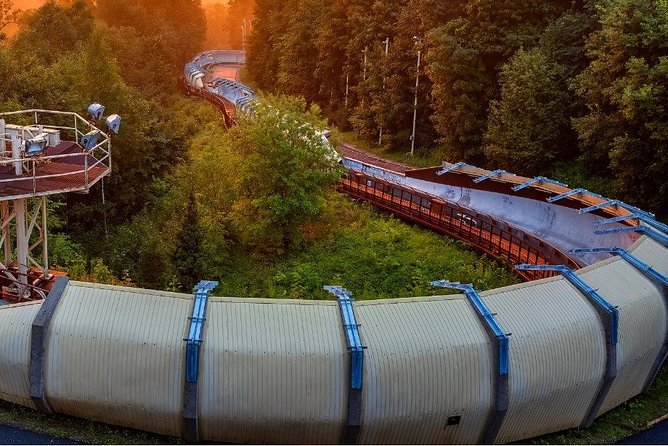
The 20-minute stop at the Sigulda Bobsleigh and Luge Track gives the outing an unexpected change of tone. After stone walls, church timber, and old legends, you are looking at a working sports facility built during the Soviet era.
The track is one of the few operational bobsleigh tracks in Europe. It has hosted international competitions and played a role in Latvia’s achievements in bobsleigh and luge. Your guide can explain how the facility was designed and why winter sports matter to Latvia.
You may see training activity, depending on the schedule, but this is not guaranteed. The short visit is mainly about seeing the scale of the track, learning its background, and taking photographs. It is also a good substitute for a scenic viewpoint when fog blocks the valley, an adjustment one guide made for a group during poor visibility.
Some people may find this stop less compelling than another castle or walking route. I think it earns its place because it shows that Sigulda is not only a medieval-history destination. If you have a strong interest in sports, engineering, or Soviet-era public works, you may appreciate it more than expected.
What the guide adds to the day
The strongest feature of this experience is not simply the vehicle or the entry tickets. It is the human interpretation between the stops.
Erlens is repeatedly praised for being friendly, entertaining, attentive, and flexible. He has helped shape visits around weather, suggested places for lunch, and even offered dinner advice for after returning to Riga. Maria is praised for detailed historical explanations and for keeping the trip on time. Viktorija made a difference during a cold, rainy outing through her professional approach.
That consistency matters. Sigulda and Turaida have complicated names, overlapping periods, and legends that can blur together without help. A good guide tells you what you are looking at, but also explains why the site mattered.
The tour is offered in English. You should feel comfortable asking for more detail, a coffee stop, or a small adjustment, since the experience allows for detours with the driver. Still, flexibility has limits. The schedule is compact, and adding a long lunch or major detour could reduce time at the main sites.
Is $144.18 good value?
At $144.18 per person, this is not the cheapest way to reach Sigulda. The price makes more sense when you count the included transport, English-speaking driver-guide, bottled water, and museum entrances.
You are paying for convenience as much as admission. There is no need to work out the route between both sides of the Gauja River, find the cave, coordinate castle opening times, or arrange transport back to Riga. A guide also turns the ruins and legends into a connected story.
The value is strongest for a first visit, a short stay in Riga, or anyone who prefers not to drive. It is also useful in winter, when snow, cold, and reduced daylight make independent planning less appealing.
The price is harder to justify if you are happy using public transport, want long walks, or prefer to spend half a day inside one museum. You may also want to compare the cost if you are booking for a large family or group, since group discounts are available but the exact reduction is not specified.
Weather, pacing, and who should book
The tour operates in conditions that can change the mood of the day. Snow can make the castles look theatrical. Rain and cold do not cancel the historical value, but they make outdoor walking less comfortable. Fog may reduce the views from Turaida or Sigulda, and the guide may replace a scenic stop with the bobsleigh track.
The pace suits people who want a broad introduction rather than a slow archaeological study. You will walk, climb, stand outdoors, and move between several sites. Bring walking shoes and clothing suited to the forecast.
I would recommend it to:
- First-time visitors who want a worthwhile outing from Riga
- Couples and families seeking history with a few unusual stops
- People who prefer a guide to explain legends and medieval politics
- Visitors with only one free day for Sigulda and Turaida
- Anyone who values flexible transport and a small vehicle
I would think twice if you dislike guided schedules, need extensive free time, or mainly want a long hike through the Gauja Valley. This is a sightseeing tour with walking, not a full-day outdoor adventure.
Free cancellation is available up to 24 hours before the 9:00 am start for a full refund. Changes or cancellations inside that window are not accepted for a refund, so keep the local cut-off time in mind.
Should you book the Sigulda and Turaida tour?
Yes, if you want an efficient and well-explained introduction to one of Latvia’s most rewarding areas outside Riga. The castles are the main reason to go, but Gutmanis Cave, the Rose of Turaida legend, and the bobsleigh track keep the day varied.
Book it especially if you value the guide’s role. Erlens, Maria, Viktorija, Edĩte, and Claude are praised for clear storytelling and personal attention, which is important at sites where a quick look cannot explain the whole story.
Skip it if $144.18 feels too high for a half-day, or if you want to explore every trail and exhibit at your own pace. For most short-stay visitors, though, this is a practical way to leave Riga, see medieval Latvia, and return with a much clearer sense of the country’s past and present.
FAQ
How long does the Sigulda and Turaida tour last?
The tour lasts approximately six hours, beginning at 9:00 am and ending back at Herdera laukums 6 in central Riga.
Where does the tour begin?
The meeting point is Herdera laukums 6, Centra rajons, Riga, LV-1050, Latvia.
What language is the tour offered in?
The tour is offered in English, with an English-speaking driver-guide.
What is included in the price?
Transport by air-conditioned car or minivan, Wi-Fi on board, bottled water, the English-speaking driver-guide, and museum entrances are included.
Is food included?
No. Food and drinks are not included, although coffee stops and detours can be arranged with the driver.
How large is the group?
The activity has a maximum of 19 participants. It is also described as a private, bespoke tour, so you may wish to confirm the exact arrangement when booking.
What should I bring?
Bring comfortable walking shoes. The tour includes castle grounds, a cave, museum paths, and outdoor areas. Children must be accompanied by an adult.
Can I cancel for a full refund?
Yes. You can cancel at least 24 hours before the experience start time for a full refund. Cancellations or changes made less than 24 hours before the start are not accepted for a refund.
Just added in Riga
- Ultimate Art Nouveau Experience in Riga – Private Tour★ 5.0 · 4 reviews
- Vilnius Day Trip or Airport Transfer★ 5.0 · 2 reviews
- Private Transfer to anywhere in Riga Center★ 5.0 · 2 reviews
- Tour from Riga to Vilnius: Bauska Castle, Rundale Palace and The Hill of Crosses★ 5.0 · 3 reviews
- Tiffany Technique Workshop★ 5.0 · 1 review
- Sea Resort Jurmala near Riga Private Tour★ 5.0 · 1 review
- Explore the Instaworthy Spots of Riga with a Local★ 5.0 · 1 review
- The tour of Riga – one step outside the Old Town★ 5.0 · 1 review
Gauja National Park Sigulda and Turaida, compared.
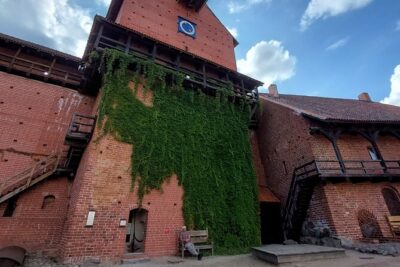
Private Full-Day Trip to Turaida, Sigulda, and Cesis
Read our review →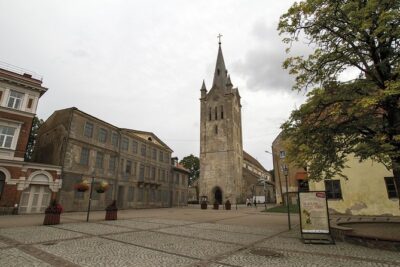
Full-Day Private Trip to Cesis, Sigulda and Turaida from Riga
Read our review →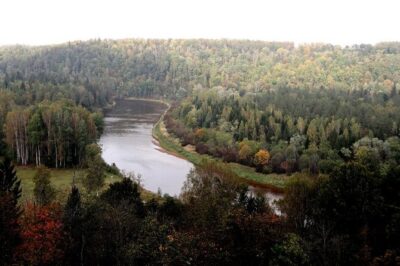
Hike In Gauja National Park – Up And Down The Switzerland Of Latvia
Read our review →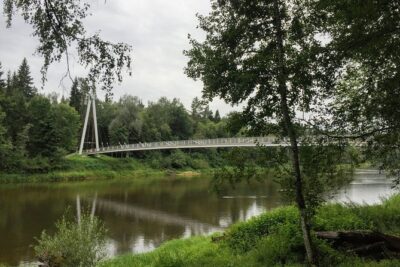
Discover Best Of Gauja National Park In One Day
Read our review →
Day trip to Gauja National Park: animals, castles and a cave
Read our review →
Private Full-Day Hiking Tour in Sigulda and Gauja National Park
Read our review →Browse the lists this tour appears in